Introduction
Technology has become an integral part of our daily lives, and its influence extends to the classroom as well. Modern educational institutions are increasingly adopting various technological tools and resources to enhance the learning experience for students. This blog post explores the numerous benefits that technology brings to modern classrooms.
Enhanced Engagement and Interactivity
One of the most significant advantages of incorporating technology in classrooms is the increased level of engagement it offers. Interactive whiteboards, educational apps, and multimedia presentations make learning more dynamic and captivating for students. Rather than passively receiving information, students can actively participate in the learning process through interactive activities and simulations.
Studies have shown that students who engage with educational content through technology tend to retain information better and demonstrate improved understanding of complex concepts. The interactive nature of technological tools allows students to explore subjects at their own pace, reinforcing their learning through hands-on experiences.
Personalized Learning Experiences
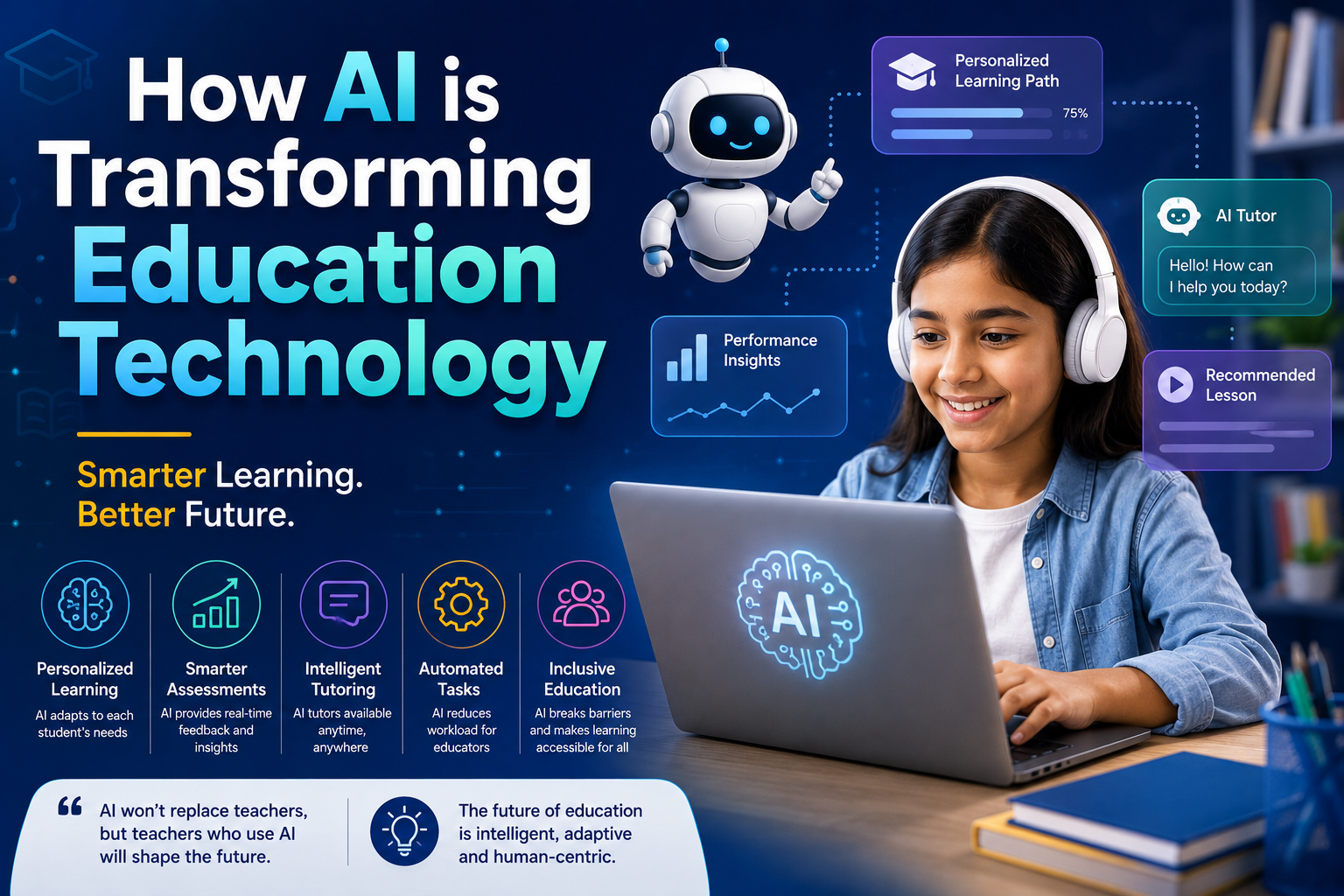
Technology enables educators to tailor learning experiences to individual student needs. Adaptive learning platforms can assess a student's strengths and weaknesses, providing customized content and activities that address specific areas for improvement. This personalized approach ensures that each student receives the support they need to succeed.
Furthermore, technology allows for differentiated instruction, accommodating various learning styles and preferences. Visual learners can benefit from graphical representations and videos, while auditory learners might prefer recorded lectures or audio resources. This flexibility ensures that all students have access to materials that align with their preferred learning methods.
Access to Vast Information Resources
The internet has revolutionized access to information, and this has profound implications for education. Students now have instant access to a wealth of knowledge beyond traditional textbooks. Online libraries, educational websites, and digital encyclopedias provide comprehensive resources that enrich the learning experience.
This abundance of information encourages research skills and critical thinking. Students learn to evaluate sources, discern credible information, and synthesize knowledge from various resources—essential skills in today's information-rich world.
Preparation for the Digital Future
As technology continues to evolve and shape various industries, it's crucial for students to develop digital literacy skills. By integrating technology in classrooms, schools prepare students for future careers that will inevitably involve digital tools and platforms.
Students gain familiarity with software applications, digital communication tools, and online collaboration platforms—all of which are increasingly important in the modern workplace. These technological competencies enhance their employability and readiness for higher education.
Improved Communication and Collaboration
Technology facilitates communication between teachers, students, and parents. Learning management systems allow educators to share assignments, provide feedback, and communicate important information efficiently. Parents can stay informed about their child's progress and participate more actively in their education.
Additionally, collaborative tools enable students to work together on projects regardless of physical location. Cloud-based platforms allow for real-time collaboration, document sharing, and group discussions, fostering teamwork and communication skills that are valuable in both academic and professional settings.
Conclusion
The integration of technology in modern classrooms offers numerous benefits that enhance the educational experience for students. From increased engagement and personalized learning to improved communication and preparation for the digital future, technology has transformed the way we approach education.
As we continue to advance technologically, it's essential for educational institutions to embrace these tools and resources while ensuring they're used effectively to support learning objectives. By striking the right balance between traditional teaching methods and technological innovation, we can create optimal learning environments that prepare students for success in an increasingly digital world.
.png)